UK Damp & Mould Compensation: How Much Can I Claim?
UK damp and mould compensation ranges from £500 to £30,000+. Payouts depend on severity, duration, and health impact. We explain General Damages (pain/suffering) and Special Damages (financial loss) for maximum claims.
 I. The Immediate Answer: Damp and Mould Compensation Estimates
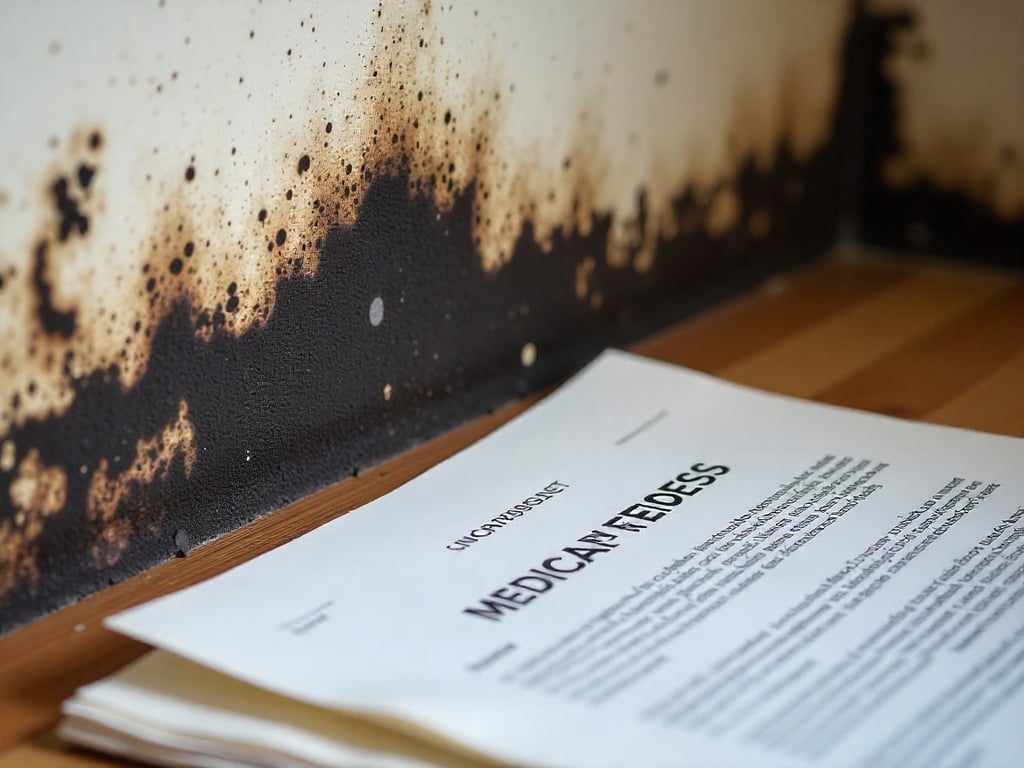
Persistent damp and mould is a serious form of housing disrepair that not only damages property but constitutes a significant risk to the health of occupants. Determining the precise value of a compensation claim is a nuanced process, as UK courts assess every case on its unique circumstances, including the duration of the tenant's exposure, the landlord's degree of negligence, and the documented impact on the tenant's living conditions and health.
For most claims, legal precedents provide clear compensation estimates categorized by severity:
Standard Issues: Compensation generally falls between £500 and £5,000. This range typically covers minor inconvenience, slight loss of amenity (e.g., being unable to use a certain room), and limited damage to low-value belongings.
Moderate Cases: Claims rise significantly, typically ranging from £3,000 to £10,000. This bracket is usually reserved for cases where tenants have experienced noticeable health impacts, substantial inconvenience, and measurable damage to personal possessions.
It is critical to note that compensation figures can climb much higher. The largest payouts, reaching and exceeding £10,000 to £30,000 , are specifically reserved for severe cases. These involve long-term exposure leading to serious, documented health deterioration, or circumstances requiring the tenant to be temporarily rehoused due to the property being deemed uninhabitable. Claimants seeking the highest compensation are often pursuing a dual-track claim, combining standard disrepair compensation with substantial personal injury damages.
The following table summarises the estimated compensation ranges for damp and mould housing disrepair claims in the UK:
Estimated Compensation Ranges for Damp and Mould Claims (UK)
Severity Level | Typical Compensation Range (UK Estimate) | Impact Description |
Minor Issues | £500 – £3,000 | Limited duration, minimal inconvenience, slight damage to decor. |
Moderate Issues | £3,000 – £10,000 | Health impacts noted, significant inconvenience, visible damage to belongings. |
Severe Cases | £10,000 – £30,000+ | Long-term exposure, serious health deterioration, requirement for temporary rehousing. |
These figures primarily reflect compensation for the General Disrepair Element—the inconvenience and loss of amenity. When a claim includes serious personal injury, such as the severe exacerbation of chronic respiratory conditions, the total compensation award is valued under separate legal guidelines, drastically increasing the overall payout potential.
II. Deconstructing Your Claim: General Damages vs. Special Damages
A successful housing disrepair compensation claim is broken down into two principal legal heads of claim: General Damages and Special Damages. Maximizing the final settlement figure requires a thorough understanding of both categories.
A. General Damages: Compensation for Pain, Suffering, and Loss of Amenity (PSLA)
General Damages cover the non-financial harm suffered by the tenant as a direct result of living in substandard conditions. This legal head addresses the distress, physical suffering, and the significant inconvenience of having a home that is unfit for human habitation.
For damp and mould cases, General Damages encompass:
Respiratory Harm: Compensation for the development or exacerbation of conditions like asthma and bronchitis.
Psychological Impact: Damages for stress, anxiety, or depression arising from chronic worry and discomfort.
Loss of Amenity: Compensation for the reduced enjoyment of the home, such as being unable to use a room due to mould, or the constant discomfort of dealing with foul smells and cold.
To substantiate these non-financial losses, legal professionals rely on reports from independent medical assessments conducted during the claims process. For serious injuries, the valuation of General Damages is strictly guided by the Judicial College Guidelines (JCG), which provides a formal framework for assigning compensation figures based on the severity of the harm.
B. Special Damages: Claiming Quantifiable Financial Losses
Special Damages are designed to recoup any quantifiable financial losses that the tenant has incurred directly because of the housing disrepair. Unlike General Damages, Special Damages must be supported by verifiable documentation, such as receipts, invoices, or utility bills.
Key areas of Special Damages in damp and mould claims include:
Damage to Personal Property: Replacing belongings ruined by mould, such as furniture, clothing, bedding, or electronics.
Increased Utility Costs: Covering financial losses incurred from excessively running heating or ventilation systems in a failed attempt to mitigate the damp and condensation.
Medical and Travel Expenses: Reclaiming costs associated with necessary medical treatment, prescriptions, or travel to appointments required to address mould-related illnesses.
Relocation/Cleaning Costs: Reclaiming costs for temporary alternative accommodation if the property became uninhabitable, or for professional cleaning services required to sanitize the home.
Documenting costs like increased utility bills is particularly strategic. It not only justifies the special damages but also provides powerful evidence of the tenant's proactive efforts to mitigate the issue. This preemptively counters the landlord's common defence that the mould was solely caused by poor tenant lifestyle choices or negligence , strengthening the argument that the root cause is structural and thus the landlord's liability.
III. Calculating Severe Suffering: Applying the Judicial College Guidelines (JCG)
The highest compensation awards in disrepair cases are secured when the damp and mould are proven to have caused a significant personal injury, which is valued using the Judicial College Guidelines (JCG). The JCG is based on figures drawn from established case law in England and Wales and is the primary tool used by legal experts to value serious General Damages for pain and suffering.
A. The Purpose and Authority of the JCG
To pursue a personal injury claim linked to housing disrepair, the claimant must undergo an independent medical assessment. The resulting expert medical report confirms the link between the landlord’s negligence (the chronic presence of mould) and the tenant’s injury, confirming a severity level that aligns with specific JCG brackets.
Damp and mould exposure is often linked to the exacerbation of pre-existing conditions or the creation of new respiratory and psychological problems. By basing the claim on these measurable medical consequences, the potential compensation significantly expands beyond the standard inconvenience awards.
B. Key JCG Valuations Relevant to Damp and Mould Exposure
Two categories within the JCG are most pertinent to severe damp and mould cases: respiratory harm (Asthma/Bronchitis) and mental health deterioration (Psychiatric Damage). The guideline figures reflect the severe, life-altering nature of these documented injuries:
Judicial College Guidelines (JCG) for Related Health Injuries
Type of Harm | Severity Level | Guideline Compensation Figures (Approximate UK Range) |
Asthma/Bronchitis | Severe, permanent, and disabling (a) | £52,550 to £80,240 |
Asthma/Bronchitis | Relatively mild (d) | £12,990 to £23,430 |
Psychiatric Damage | Severe (a) | £66,920 to £141,240 |
Psychiatric Damage | Moderate (c) | £7,150 to £23,270 |
These figures demonstrate why linking the housing conditions to health is paramount. If mould exposure leads to a condition deemed severe and permanently disabling, the compensation for that injury alone can start above £50,000. This substantial award for physical injury is calculated separately and then added to the awards for Special Damages (financial losses) and the General Damages for the general inconvenience of the defective property, which can push the total value of severe claims to high figures.
The significant valuation for Psychiatric Damage (£7,150 to £23,270 for moderate harm) confirms the legal recognition of the psychological injury caused by chronic disrepair. This award can be claimed in addition to the disrepair element (£3,000 to £10,000 for a moderate case) , substantially boosting the overall compensation even if physical harm is not judged severe.
IV. Proving Liability: Establishing the Landlord’s Breach of Duty
High compensation estimates are irrelevant unless the tenant can legally prove that the landlord is liable. Liability is established by proving the landlord breached their statutory duties and failed to act reasonably after being notified.
A. Statutory Duties of the Landlord
UK law places firm statutory duties on both private and social landlords to maintain and repair their properties. Key obligations relevant to damp and mould claims include:
Section 11 of the Landlord and Tenant Act 1985: This key statute requires landlords to maintain the structure and exterior of the property in repair. This covers walls, roofs, and exterior brickwork, along with maintaining installations for water supply and heating. Failures here—such as leaking roofs, broken pipes, or defective damp proof courses—are the classic structural root causes of damp and mould.
Homes (Fitness for Human Habitation) Act 2018: Landlords must ensure the property remains fit for human habitation throughout the tenancy. Fitness is assessed with specific regard to "freedom from damp" and the absence of hazards defined by the Housing Health and Safety Rating System (HHSRS). A breach of this duty is a direct path to legal action.
B. The Three Criteria for a Successful Claim
To establish legal liability, a claim must satisfy three criteria under Section 4 of the Defective Premises Act 1972 :
Landlord Awareness: The landlord must have been formally aware of the disrepair issue, typically through written notification from the tenant.
Failure to Act: The landlord failed to carry out the necessary repairs within a reasonable timeframe after receiving notification. Tenants are generally advised to provide formal notification at least 21 days before initiating a formal claim.
Causation: The landlord’s failure to act must be the direct cause of the tenant’s injury, illness, inconvenience, or financial loss.
C. Addressing the Tenant Negligence Defence
A landlord’s standard defence is to argue that the mould is solely the result of the tenant’s failure to properly heat or ventilate the property. While tenants do have a duty of care to ensure the property’s upkeep , the strength of a disrepair claim lies in proving the damp's root cause is structural or systemic—originating from issues like leaking gutters, cracked walls, or a faulty roof. If the disrepair is structural, the landlord's attempt to use tenant habits as a defence usually fails, as structural repairs are fundamentally the landlord's responsibility.
 V. Evidence is Key: Building an Unassailable Case
The ultimate success of a damp and mould claim relies heavily on the quality, quantity, and chronology of the evidence collected. Comprehensive documentation is required to prove liability, the duration of the issue, physical damage, and financial losses.
A. Documenting Liability and Communication
Clear records of the landlord's negligence and all communications are essential :
Tenancy Agreement: Confirms the legal relationship and the landlord’s obligations.
Correspondence: Dated copies of all letters, emails, or text messages notifying the landlord of the problem are critical. Email or text provides undeniable proof of the date and time of notification.
Expert Reports: Objective reports from independent damp and mould surveyors or an Environmental Health Officer (EHO) provide professional validation of the severity and structural cause of the issue.
B. Documenting Physical Damage and Causation
Visual and medical records provide tangible proof of the mould's effects:
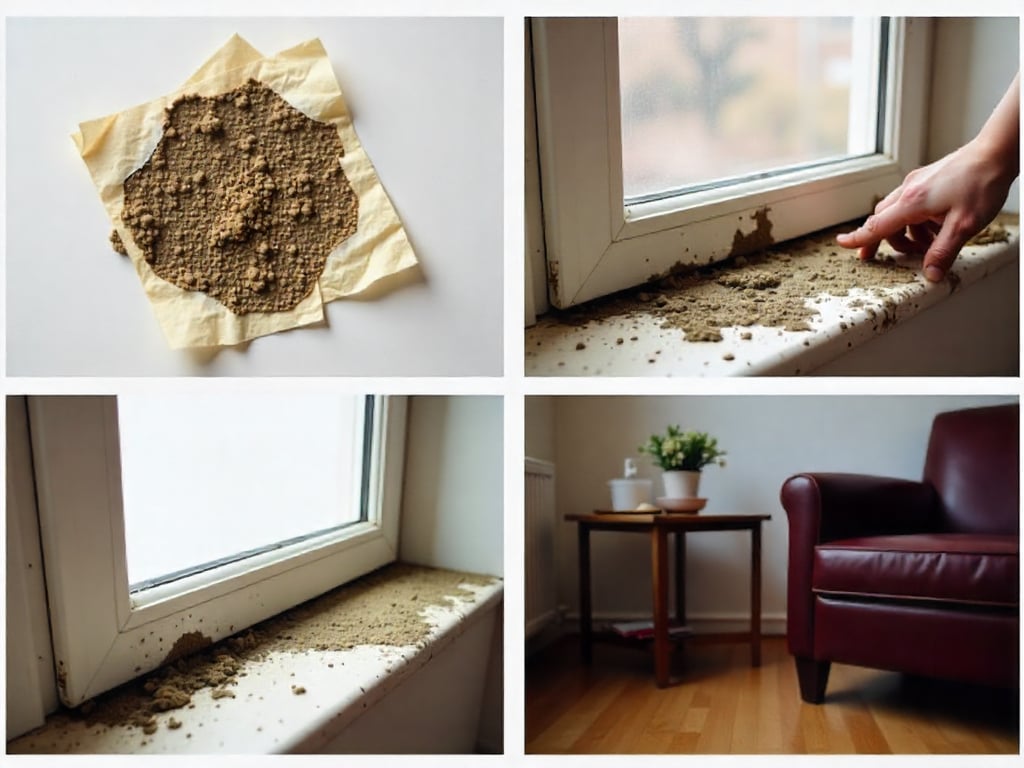
Photographic Evidence: Photographs are paramount for assessing the disrepair's extent. They should document both internal mould and external issues (e.g., faulty guttering or roof damage).
Technique: Ensure images are clear and well-lit, utilizing daylight or flash if necessary. Take both close-up shots of the mould and wider shots to provide context within the room.
Belongings: Document any furnishings or personal items ruined by the mould.
Medical Records: If health has been impacted, copies of medical notes, diagnostic reports, and ongoing treatment details are required to substantiate the claim for General Damages, proving the link between the housing conditions and the health deterioration.
The dating of this visual and written evidence is vital, as the duration of exposure directly dictates the compensation amount awarded for inconvenience and suffering. Dated records spanning months or years provide irrefutable documentation of the landlord’s prolonged failure to act.
C. Documenting Financial Loss (Special Damages)
Every financial loss claimed under Special Damages must be meticulously supported by official paperwork:
Checklist for Special Damages Documentation
Financial Loss Category | Required Evidence |
Damaged Belongings | Purchase receipts, photographs of ruined items, replacement quotes. |
Increased Utility Costs | Heating or electricity bills showing a verifiable spike in consumption during the disrepair period. |
Medical/Travel Costs | Receipts for necessary prescriptions, treatments, or travel to medical appointments. |
Specialist Cleaning/Decorating | Receipts or invoices for professional mould cleaning or costs incurred for necessary re-decorating. |
VI. Step-by-Step: The Legal Process of Making a Damp and Mould Claim
The legal process for housing disrepair claims is governed by the Pre-Action Protocol (PAP) to ensure compliance and robust case preparation.
A. Initial Notification and Letter of Claim
The first step is formally reporting the disrepair to the landlord in writing (email or text recommended). If the landlord fails to act within a reasonable timeframe, the tenant must follow the PAP by sending a formal Letter of Claim. This letter must clearly outline:
Full details of the disrepair and why it remains unresolved.
How the problem affects the tenant and other occupants.
All historical correspondence sent to the landlord (letters, emails, texts) .
Information regarding any expert evidence (e.g., surveyor reports) that will be used .
B. Alternative Redress Mechanisms
Before escalating to court, tenants can pursue alternative avenues that strengthen a future legal case:
Local Authority Environmental Health Officer (EHO): Tenants can request an inspection by their local authority EHO. If the EHO determines that the damp and mould are "prejudicial to health," it may be deemed a 'statutory nuisance' under the Environmental Protection Act 1990. The EHO must then issue an abatement notice to the landlord. This official notice provides critical, independent expert backing for any subsequent legal claim.
Housing Ombudsman: Social housing tenants can refer the matter to the Housing Ombudsman. While the Ombudsman's compensation awards may be lower than those available through the courts, this mechanism offers non-court redress and provides a clear audit trail of the landlord's lack of action.
Legal action through the courts is the necessary route when the landlord ignores the PAP or when the compensation sought involves complex, high-value personal injury awards based on the JCG.
VII. Frequently Asked Questions (FAQs)
Can I claim if I caused some of the mould myself?
Liability hinges on the primary cause of the damp. If the mould is purely a result of condensation due to the tenant's negligence (e.g., failing to open windows or adequately heat the property), the claim may be unsuccessful or heavily compromised. However, if the root cause is structural—such as a defective damp proof course, a leaking roof, or faulty pipes—the landlord remains liable for the disrepair and the resulting damage and illness, even if tenant habits contributed slightly to surface mould. Legal advice is crucial to determine the primary cause of the issue.
How much notice do I have to give my landlord before claiming?
You must notify your landlord via written means (email or text is recommended) and allow them a reasonable amount of time to carry out the repairs. Before initiating a formal housing disrepair claim, it is required that you notify your landlord at least 21 days in advance of the intention to pursue legal action. If they respond, you must then allow a reasonable timeframe for them to act before proceeding with the claim.
What exactly is 'General Damages for Inconvenience'?
General Damages cover the non-financial losses associated with disrepair, primarily the inconvenience, discomfort, and general loss of enjoyment of the home. This aspect of the claim compensates the tenant for having to live in substandard conditions and is calculated based on the severity and duration of the disrepair. In serious cases, this damage head also incorporates physical suffering and psychiatric harm, valued according to the Judicial College Guidelines.
What should I do if my landlord threatens retaliatory eviction?
Tenants have certain protections under UK law against retaliatory eviction when reporting disrepair. If a landlord issues an eviction notice after the tenant has reported legitimate disrepair, especially if an EHO notice has been served, the eviction may be invalid. It is imperative to seek immediate legal advice if threats of eviction are made while pursuing a claim.
IX. Conclusion
Dealing with persistent damp and mould in a rented property is more than a maintenance hassle—it is a clear breach of the landlord’s statutory duties and can result in severe, long-lasting consequences for occupant health and financial stability. Claiming compensation is the tenant's legal right, providing redress for financial losses (Special Damages) and the physical and psychological harm suffered (General Damages).
While compensation ranges typically span from £500 to £30,000 for standard claims, successful recovery of the highest awards, especially those linked to permanent disability or chronic illness, relies entirely on proving the landlord’s failure caused injury based on the strict valuation standards of the Judicial College Guidelines. Navigating the legal complexities of proving causation, countering negligence defenses, and adhering to the Pre-Action Protocol requires expert legal intervention. Tenants seeking justice must secure timely, dated evidence and seek professional assistance to ensure every head of damage, from minor inconvenience to severe personal injury, is accurately valued.
Ready to Start Your Housing Disrepair Claim?
Don't wait any longer—take the first step towards getting the compensation you deserve.

Was this post helpful?